Powering the Future: 5 Game-Changing Technologies at Nigeria’s 2026 Energy Expo
Innovative solutions are transforming Nigeria’s energy landscape, and this exhibition is where they take center stage.
As Africa’s largest economy grapples with a significant power deficit—needing about 20,000 megawatts but producing only around 5,500 megawatts—the push for solutions has never been more urgent. This challenge sets the stage for pivotal industry events like the upcoming Nigeria Energy exhibition, a premier platform where technology meets opportunity.
Scheduled for October 27-29, 2026, at the Landmark Centre in Lagos, this exhibition is more than a trade show; it’s a critical nexus for the West African energy transition. It brings together global innovators, policymakers, and investors to tackle Nigeria’s energy crisis, where power disruptions cost industries an estimated 9-17% of their annual sales.
The exhibition’s influence is substantial, having attracted over 15,000 professional visitors in a previous edition. Here, breakthrough technologies are not just displayed but are actively deployed to bridge the gap between chronic shortage and a sustainable, powered future. The following five technologies are poised to make a significant impact.
1. Advanced Energy Storage & Lithium Battery Systems
The cornerstone for unlocking renewable energy’s full potential. As Nigeria targets 30% renewable energy generation by 2030, the intermittent nature of sources like solar and wind requires robust storage solutions. Advanced lithium battery systems are at the forefront, moving beyond small-scale use to large commercial and industrial (C&I) applications.
Companies like Kartel Energy are showcasing tailored solutions, such as high-voltage battery systems engineered for factories and large facilities, which significantly reduce reliance on diesel generators. This shift is critical in a nation where over 80% of industries depend on expensive, polluting diesel backup. The market is responding rapidly, with Nigeria’s imports of lithium batteries surging by 65% in a single year, signaling explosive growth potential.
2. Smart Industrial Voltage Stabilization with IoT
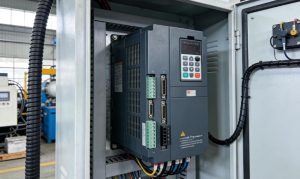
Protecting productivity and enabling grid stability. For Nigerian industries, unstable voltage is a major operational hazard, leading to equipment damage and lost revenue. Smart voltage stabilizers, integrated with Internet of Things (IoT) monitoring, represent a vital technological intervention.
Firms like Lightbay Energy Resources are showcasing stabilizers with capacities from 5kVA to 4,000kVA, designed to withstand Nigeria’s extreme grid fluctuations. The integrated IoT capabilities allow facility managers to monitor power quality in real-time from anywhere globally. This “Reliability First” approach protects critical assets and forms the foundational layer necessary for successfully integrating more renewable energy into the grid.
3. Next-Generation Thermal (Heat) Battery Technology
An innovative approach to storing excess renewable energy. While electrochemical batteries store power, thermal battery technology offers a novel method by capturing and storing surplus energy as heat for later use. This technology is gaining global traction for balancing energy supply and demand.
Experts highlight its potential for Nigeria, particularly for rural communities, hospitals, and small businesses with abundant solar resources. These systems can store excess solar heat during the day to provide hot water, warmth, or process heat at night, offering a cleaner alternative to fuel-powered generators. Pilot projects elsewhere have demonstrated heating cost reductions of up to 40%, presenting a compelling case for adoption in Nigeria’s energy strategy.
4. Integrated Hybrid Energy Systems & Microgrids
A systems-based approach to guaranteed 24/7 power. The energy transition requires a shift from single-source dependency to integrated solutions. A systems-based approach that combines solar, hydro, gas, and traditional sources into a single, resilient network is crucial.
The expo will heavily feature microgrid and off-grid solutions, which are essential for electrifying the 60-70% of the population living without reliable grid access. These decentralized systems, often solar-powered with battery backup, provide a practical and immediate path to energy access, overcoming the massive challenge and cost of national grid expansion. They are central to projects like the World Bank-backed DARES initiative, which aims to provide electricity to over 17 million Nigerians.
5. Localized Renewable Energy Manufacturing
Building domestic capacity for sustainable growth. True energy security involves developing local industrial capacity. A landmark development is the planned 1.2 GW solar PV module assembly plant by Oando Clean Energy, backed by the Nigerian Rural Electrification Agency. The first phase (600 MW) is set to come online in 2026, supplying panels to the local and African markets.
This facility is pioneering as it will include Africa’s first integrated solar panel recycling line, promoting a circular economy. Supported by the $950 million DARES project, this move toward localizing manufacturing reduces import dependence, creates jobs, and ensures technology is adapted to local conditions, fostering a self-sustaining energy ecosystem.
The Path Forward: Collaboration and Investment
These five technologies illustrate a clear roadmap for Nigeria’s energy future. However, their widespread deployment hinges on continued collaboration and targeted investment. The Nigeria Energy 2026 exhibition acts as the essential catalyst, connecting solution providers with the stakeholders who can scale these innovations.
With a projected $9 billion in off-grid solar investment and national goals to generate 30 GW of electricity by 2030 (50% from renewables), the momentum is building. The technologies showcased at this expo are not mere exhibits; they are the practical tools being deployed to close Nigeria’s energy gap, drive industrial growth, and light up millions of futures.
💡 How to Engage with the Energy Transition
The technologies outlined represent both solutions and opportunities:
· For Businesses & Industries: Conduct an energy audit to understand your vulnerability to power quality issues. Investigating on-site solar-plus-storage or voltage stabilization can protect operations and reduce long-term energy costs.
· For Investors & Project Developers: Look beyond generation to the full value chain. Energy storage, smart grid technology, and local manufacturing/assembly present high-growth opportunities aligned with national policy and urgent market needs.
· For Policymakers & Advocates: Support frameworks that incentivize integrated hybrid systems and decentralized microgrids, especially for rural electrification. Policies that encourage local content and circular economy principles in renewables will build lasting energy security.