🌍⚡
Nigeria’s Energy Revolution: From Crisis to Opportunity with Solar Mini-Grids, Grid Modernization & Local Manufacturing
🔥
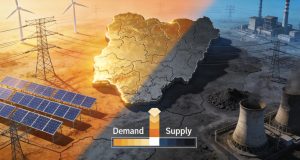
For decades, Nigeria power crisis has throttled economic growth—erratic supply, ageing infrastructure, and over 85 million people without grid access. Yet beneath these challenges lies Africa’s most ambitious energy pivot. The Nigeria Energy Transition Plan isn’t just a policy document; it is a comprehensive roadmap to universal energy access by 2030 and net‑zero by 2060. This article dissects the pillars of that transformation: renewable energy integration, grid modernization, decentralized energy, and the investments fuelling a new power paradigm.
📜 The Nigeria Energy Transition Plan – A Blueprint for the Future
Launched in 2022, the Nigeria Energy Transition Plan (ETP) outlines a sectoral shift from oil‑dependence to a diversified mix of renewables, gas as a transition fuel, and cutting‑edge storage. The plan targets 30 GW of installed capacity by 2030, with renewables accounting for over 30%. Key enablers include energy transition financing structures, policy reforms, and massive infrastructure deployment across the value chain.
☀️ Renewable Energy Integration & the Rise of Solar Mini-Grids
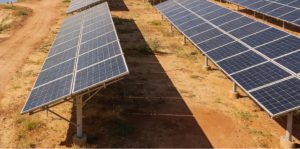
With abundant solar irradiation, Nigeria is leapfrogging centralised grids through decentralized energy solutions. Solar mini-grids now power thousands of homes, clinics, and small enterprises in rural areas. According to the Rural Electrification Agency, more than 150 mini‑grids are already operational, with a target of 10,000 by 2030. This renewable energy integration into the national fabric reduces transmission losses and builds climate resilience.
- Solar mini-grids provide 24/7 clean power to off‑grid communities.
- Renewable energy integration lowers carbon intensity while diversifying supply.
- Decentralized energy models attract private capital and foster local entrepreneurship.
🔋 Grid Modernization and Grid‑Scale Battery Storage
A modern grid is the backbone of any energy transition. Nigeria’s transmission network suffers from frequent collapses, but grid modernization initiatives—funded by multilateral banks and the private sector—are underway. Smart meters, digital substations, and automated control systems will soon replace dilapidated infrastructure. Simultaneously, grid‑scale battery storage projects are being deployed to stabilise frequency and store excess solar power for evening peaks. The first utility‑scale battery (10 MW / 20 MWh) in Kaduna marks a turning point for energy storage in West Africa.
💰 Energy Transition Financing – Closing the Investment Gap
The Nigeria Energy Transition Plan requires an estimated $1.9 trillion by 2060, with $410 billion needed by 2030. Energy transition financing mechanisms are emerging: green bonds (Nigeria issued Africa’s first sovereign green bond in 2017), climate investment funds, and de‑risking instruments from institutions like the African Development Bank. Private equity and venture capital are also flowing into renewable energy investment, particularly in off‑grid solar and mini‑grid developers.
🏭 Local Manufacturing Africa – Building a Homegrown Industry
To drive down costs and create jobs, Nigeria is pushing local manufacturing renewable components. The National Renewable Energy and Energy Efficiency Policy (NREEEP) encourages local assembly of solar panels, inverters, and batteries. Startups like Auxano Solar now assemble panels in Lagos, while others produce lithium‑ion batteries locally. This local manufacturing Africa wave reduces import dependency and strengthens the continent’s renewable value chain.
⛽ Gas-to-Power Transition and Infrastructure Development
While renewables surge, natural gas acts as a bridge fuel. The government’s Decade of Gas programme aims to expand pipelines and gas‑fired plants, ensuring baseload stability until storage and renewables can fully take over. Investments in Energy Transition Plan infrastructure—like the Ajaokuta–Kaduna–Kano (AKK) gas pipeline—are critical to this dual‑track approach.
📅 Nigeria Energy Expo 2026 & NNEPIE 2026 – Catalysts for Collaboration
The Nigeria Energy Expo 2026 (co‑located with NNEPIE 2026 – the Nigeria National Energy Petroleum Investment Expo) will be the continent’s premier gathering for policymakers, investors, and innovators. Organised by the exhibition industry leaders, the event will showcase breakthrough technologies in grid‑scale battery storage, solar mini‑grids, and energy transition financing. It serves as a marketplace for deals and a platform for knowledge exchange, propelling the Nigeria Energy Transition Plan from paper to reality.
📰 Industry Updates & Emerging Product Categories
Recent Industry Updates reveal a surge in Product Categories tailored to local needs: pay‑as‑you‑go solar home systems, solar‑powered cold storage for agriculture, and modular mini‑grids. These innovations are bridging the energy access gap while creating a robust ecosystem of manufacturers, distributors, and financiers.
🔮 Looking Ahead: A Renewable‑Powered Nigeria
The path is steep, but momentum is undeniable. With a coherent Nigeria Energy Transition Plan, bold grid modernization, and a flourishing decentralized energy sector, Nigeria is poised to become a model for African energy transformation. The convergence of renewable energy investment, local manufacturing, and international partnerships will determine whether this vision becomes the continent’s greatest success story. As the Nigeria Energy Expo 2026 approaches, all eyes are on the nation’s power sector—ready to turn crisis into opportunity.