Introduction: The Gateway to West Africa’s Energy Future
1.1 Event Overview and Significance
The Nigeria International New Energy & Power Industry Expo 2026 (NIPEE 2026) represents a pivotal moment in Africa’s energy transition journey. Scheduled to take place from September 16-18, 2026, at the prestigious Landmark Centre in Lagos, Nigeria, this inaugural event marks the launch of what promises to become West Africa’s most comprehensive platform for the energy sector .
As the first edition of this international exposition, NIPEE 2026 emerges at a critical juncture when Nigeria stands at the epicenter of an energy revolution. With a population exceeding 230 million and facing one of the world’s most severe power supply gaps, Nigeria’s energy sector presents both unprecedented challenges and remarkable opportunities . The expo serves as a strategic platform connecting global energy stakeholders with the vast potential of West Africa’s largest economy, offering a unique convergence of policy makers, investors, technology providers, and end-users.
The significance of NIPEE 2026 extends far beyond a mere trade show. It represents a catalyst for Nigeria’s ambitious Energy Transition Plan (ETP), which aims to achieve 30% renewable energy penetration by 2030 and 70% by 2050
. With solar energy potential exceeding 1,000 GW—far surpassing the country’s current total installed capacity of GW—the expo provides an urgent platform for showcasing innovative solutions to bridge the energy acces
1.2 Nigeria’s Energy Landscape: Challenges and Opportunities
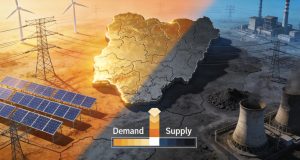
Nigeria’s energy sector presents a paradox of abundance and scarcity. Despite possessing the world’s ninth-largest natural gas reserves and abundant solar resources, the country faces an acute power crisis. The national grid, which should theoretically supply electricity to over 230 million people, operates at a mere fraction of its potential capacity. In 2025, the average available generation capacity hovered around 5,506 MW, with a plant availability factor of just 40%, meaning over 60% of installed capacity remained idle .
The power deficit has created a cascading effect across the economy. Over 80% of industrial enterprises and 65% of commercial establishments rely on expensive diesel generators for backup power . This dependency on fossil fuel-based solutions has not only increased operational costs but has also perpetuated environmental degradation. The situation has become so critical that in 2025, several nationwide grid collapses occurred, with some regions receiving as little as 5-6 hours of electricity per day .
However, this crisis has inadvertently created one of the world’s most lucrative markets for renewable energy solutions. The cost differential between traditional and renewable energy sources is stark: photovoltaic plus energy storage systems offer electricity at just one-fifth to one-third the cost of diesel generation . This economic reality, combined with government incentives including zero import tariffs on solar equipment and reduced corporate tax rates for renewable energy businesses, has created an explosive market opportunity.
The renewable energy sector in Nigeria is experiencing exponential growth. The market size is projected to expand from 3.59 GW in 2025 to 4.51 GW in 2026, ultimately reaching 14.07 GW by 2031, representing a compound annual growth rate of 25.58% . Solar photovoltaic installations are leading this charge, with capacity growing from virtually zero in 2016 to 5,000 MW projected by 2030 .
1.3 The Strategic Importance of Lagos as Host Venue
Lagos, Nigeria’s economic capital and most populous city, provides the ideal backdrop for NIPEE 2026. As the commercial nerve center of West Africa, Lagos contributes over 25% of Nigeria’s GDP and serves as the gateway to the entire ECOWAS (Economic Community of West African States) market of 380 million people .
The Landmark Centre, strategically located in Victoria Island overlooking the Atlantic Ocean, offers a world-class venue spanning 9.4 acres of prime real estate. This UFI-certified facility (Union des Foires Internationales) provides state-of-the-art exhibition halls, conference facilities, and services necessary to host an international event of this magnitude. Its proximity to major hotels, international airports, and the city’s business district ensures maximum accessibility for both local and international attendees.
Lagos itself exemplifies the energy challenges and opportunities facing Nigeria. Despite being the economic hub, the city still experiences frequent power outages, with some areas having their electricity supply reduced from 20 hours daily to just 4 hours in early 2026 . This provides a powerful demonstration of why the solutions showcased at NIPEE 2026 are not merely theoretical but urgently needed practical answers to real-world problems.
The city’s role as a testing ground for renewable energy innovations adds another layer of significance to the expo. Several pioneering projects, including solar installations on commercial buildings and microgrid deployments in underserved communities, are already transforming Lagos into a renewable energy laboratory. NIPEE 2026 will serve as a platform to showcase these and inspire further innovation across the region.
2. The Expo Experience: What to Expect
2.1 Exhibition Highlights and Key Features
NIPEE 2026 promises to deliver an immersive experience that goes beyond traditional trade shows. With a projected 200+ international exhibitors representing 28 countries and regions, the expo will showcase the full spectrum of energy solutions from across the globe. The exhibition floor, spanning 12,000 square meters, will be divided into specialized zones designed to facilitate targeted business interactions and knowledge exchange .
The expo’s dual-theme concept, running concurrently with the Nigeria International Lighting Expo, creates a unique “Power Energy + Lighting” synergy that amplifies the value proposition for both exhibitors and attendees . This integration recognizes the inseparable relationship between power generation and lighting applications, particularly in a market where off-grid and solar-powered lighting solutions are transforming lives and businesses.
Exhibition Zones:
The Power Equipment Zone will showcase cutting-edge technologies including power generation equipment, transmission and distribution systems, high and low voltage electrical switches, and smart grid solutions . This section will be particularly important given Nigeria’s aging infrastructure and the urgent need for grid modernization. Exhibitors here will include major international manufacturers alongside innovative local companies developing solutions tailored to African conditions.
The Renewable Energy Zone represents the heart of the expo, with dedicated spaces for solar photovoltaic systems, wind energy solutions, small and medium hydroelectric systems, and emerging technologies like floating solar installations . This zone will feature interactive displays demonstrating how these technologies can be deployed in Nigeria’s diverse geographical and climatic conditions, from the arid north to the tropical south.
A new addition to NIPEE 2026 is the Floating Solar and Microgrid Solutions Pavilion, recognizing the growing importance of these technologies in addressing Nigeria’s unique challenges. With many communities located near water bodies and the need for decentralized power solutions, these innovations offer practical answers to extending energy access to underserved populations.
The Energy Storage Zone will showcase battery technologies, energy storage systems, and integrated solutions that address the intermittency challenges of renewable energy. This is particularly crucial given Nigeria’s need for reliable power supply 24/7. Exhibitors will display everything from small home energy storage units to large-scale commercial systems, with particular emphasis on cost-effective solutions suitable for the Nigerian market.
2.2 Conference Program and Knowledge Sharing
The conference program at NIPEE 2026 has been curated to provide actionable insights from industry leaders, policymakers, and technology innovators. With over 50 speakers scheduled across 10 dedicated sessions, the conference will delve into the most pressing issues facing Nigeria’s energy transition .
Key Conference Themes:
The opening session on Day 1 will feature a keynote address on “Quality, Safety, and Consumer Protection with Robust Engineering Standards: Strengthening State Electricity Markets for Sustainable Growth” . This session will set the tone for the expo by emphasizing the importance of maintaining high standards while scaling up energy infrastructure.
A particularly timely session titled “From Crisis to Competitiveness: Upscaling, Uplifting & Upholding the Discos” will focus on the challenges facing Nigeria’s Distribution Companies (DisCos) . With these companies at the forefront of power delivery to end-users, their transformation is crucial for the success of Nigeria’s energy transition. The session will explore innovative business models, technology adoption, and regulatory frameworks that can improve their operational efficiency.
The “Breaking the Project Financing Deadlock” session addresses one of the biggest barriers to energy sector development in Nigeria . With panelists including international financiers, development banks, and successful project developers, this session will provide practical insights into structuring bankable projects in Nigeria’s challenging financial environment.
A special session on “Spotlight on Energy Queens: Women Shaping the Green Ecosystem in Nigeria” recognizes the growing role of women in driving the energy transition . This session will feature inspiring stories of female entrepreneurs, engineers, and policymakers who are making significant contributions to Nigeria’s renewable energy sector.
2.3 Networking Opportunities and Business Matchmaking
Beyond the exhibition halls and conference sessions, NIPEE 2026 will offer extensive networking opportunities designed to facilitate meaningful business connections. The expo expects to attract over 8,000 professional visitors, including C-level executives, government officials, project developers, and technology providers .
The Business Matchmaking Program, managed by the experienced team at Wansheng Exhibition, will provide pre-scheduled one-on-one meetings between exhibitors and pre-qualified buyers . This service, which has proven highly successful in previous editions of similar expos, ensures that participants maximize their time and return on investment.
Evening networking events, including a welcome reception and gala dinner, will provide relaxed settings for building relationships and discussing potential collaborations. These events are particularly valuable for international companies looking to understand the nuances of doing business in Nigeria and West Africa.
The expo will also feature a dedicated Investors’ Lounge, where venture capitalists, private equity firms, and development finance institutions can meet with promising startups and established companies seeking investment. With Nigeria’s energy sector requiring an estimated $262 billion in investment to meet its 30GW target , these connections could be transformational for both investors and investees.
2.4 Product Launches and Technology Demos
NIPEE 2026 has positioned itself as a platform for global companies to launch their latest innovations specifically tailored to the African market. Several major international brands have already announced plans to unveil new products and solutions at the expo.
Chinese solar giant LONGi Green Energy Technology, which signed a strategic partnership with Nigeria’s Energy Commission in October 2025, is expected to launch its new generation of solar panels designed for Africa’s harsh climatic conditions . This partnership, which includes plans to build a 500-1,000 MW solar panel manufacturing facility in Nigeria, represents a significant milestone in the country’s journey toward energy self-sufficiency.
Leading energy storage companies are planning to showcase their latest battery technologies optimized for Nigeria’s unique requirements. These include solutions designed to withstand high temperatures, operate efficiently with frequent grid outages, and provide reliable backup power for both residential and commercial applications.
The technology demonstration area will feature live displays of working solar systems, microgrids, and energy storage solutions. Attendees will have the opportunity to see these technologies in action and interact with experts who can explain how they can be deployed in different contexts. This hands-on approach is particularly valuable for potential customers who may be unfamiliar with the latest technological advances.
3. Nigeria’s Energy Transition: A Comprehensive Analysis
3.1 Government Policies and Regulatory Framework
Nigeria’s energy transition is being driven by an ambitious and comprehensive policy framework that represents one of Africa’s most progressive approaches to renewable energy development. The centerpiece of this framework is the Nigeria Energy Transition Plan (ETP), which was officially unveiled after Nigeria’s commitment to carbon neutrality by 2060 at COP26 .
The ETP encompasses five key sectors where significant emission reductions are required: Power, Transport, Oil and Gas, Cooking, and Industry . In the power sector alone, the plan envisions emissions decreasing by approximately 100% as solar energy increases and begins to replace gas as a transition fuel. This transformation will require a fundamental shift away from diesel and petrol generators, which currently account for the bulk of Nigeria’s generation capacity.
The regulatory landscape has been significantly enhanced with the passage of the Climate Change Act 2021 and the full approval of the ETP by the Federal Government . The Energy Transition Office (ETO), established to support the implementation of the ETP, has been working tirelessly to coordinate efforts across various government agencies and stakeholders.
A crucial development in 2026 is the Electricity Act (Amendment) Bill, which passed second reading in 2025 and is expected to be enacted during the year . This amendment aims to clarify the boundaries between federal and state responsibilities, particularly regarding tariff setting, market oversight, and institutional coordination. The bill represents a significant step toward creating a more decentralized and efficient regulatory environment that can better respond to local energy needs.
Tariff and Tax Incentives:
The Nigerian government has implemented a raft of incentives to accelerate renewable energy adoption. Solar equipment, including photovoltaic modules, inverters, and batteries, now ,with the import VAT reduced from 7.5% to 0% . This policy has dramatically reduced the cost of solar installations, making them more competitive with traditional energy sources.
For companies engaged in renewable energy and energy storage businesses, the first three years of operation see corporate tax reduced from 30% to 15%. This extends to five years for projects located in rural areas, incentivizing the development of off-grid and microgrid solutions in underserved communities .
The government has also introduced a Feed-in Tariff (FiT) system that guarantees prices for renewable energy sold to the grid. This mechanism provides revenue certainty for renewable energy developers and has attracted significant interest from both local and international investors.
3.2 Market Dynamics and Investment Opportunities
Nigeria’s energy market represents one of the world’s most lucrative investment opportunities, with the potential for returns that are both financially rewarding and socially impactful. The market size is projected to grow from 15.45 GW in 2025 to 31.28 GW by 2031, representing a compound annual growth rate of 12.47% .
The Scale of Investment Required:
Meeting Nigeria’s energy needs will require an estimated investment of $262 billion to achieve the 30GW target . This massive capital requirement presents opportunities across the entire energy value chain, from generation and transmission to distribution and end-use applications.
The renewable energy sector alone offers opportunities worth billions. The solar market, which imported over 4 million panels valued at $200 million in 2023, with imports reaching N125.29 billion by early 2025, is expanding rapidly . Installed solar capacity reached 385.7 MW in 2024, reflecting growing momentum in both public and private sector adoption.
Financing Mechanisms and Support:
Recognizing the capital requirements, international financial institutions have committed substantial resources to Nigeria’s energy transition. The World Bank has approved
$470 million in low-interest loans, while the African Development Bank has provided $300 million in credit facilities specifically for off-grid solar and microgrid projects. In January 2026, Nigeria announced plans to raise N500 billion (approximately $1.1 billion) through green bonds to fund climate change and environmental projects.
2 billion Climate Fund earlier in the month , demonstrates the government’s commitment to mobilizing domestic and international capital for the energy transition.
The Debt Clearance Bond Program, with Series 1 of N590 billion already disclosed, aims to settle outstanding obligations to generation companies and gas suppliers . This initiative is crucial for restoring investor confidence and ensuring the financial sustainability of the power sector.
3.3 Technology Trends and Innovation
The technology landscape at NIPEE 2026 will showcase the latest innovations addressing Nigeria’s unique energy challenges. From grid-scale solutions to individual home systems, the expo will demonstrate how technology is revolutionizing energy access in Africa.
Solar Energy Dominance:
Solar technology is leading the charge in Nigeria’s energy transition. The country’s solar resource potential, with annual exceeding 2,600 hours and solar energy potential surpassing 1,000 GW, provides an almost unlimited resource base . Recent technological advances have made solar power increasingly cost-competitive, with the levelized cost of electricity from solar systems now below that of diesel generation.
Innovations in solar technology being showcased at NIPEE 2026 include bifacial solar panels that capture sunlight from both sides, floating solar installations for water bodies, and building-integrated photovoltaic (BIPV) systems that turn buildings into power generators. These technologies are particularly relevant for Nigeria, where water bodies like the Niger River and numerous lakes offer opportunities for floating installations.
Energy Storage Breakthroughs:
Energy storage technology has evolved rapidly, with lithium-ion batteries becoming more affordable and efficient. The 2024 home energy storage market in Nigeria reached $1.8 billion, with 3-10 kWh systems accounting for 65% of the market and 10-20 kWh medium to large systems growing at over 120% annually .
Innovative battery technologies being displayed at the expo include sodium-ion batteries, which offer lower costs and better temperature tolerance than lithium alternatives, and advanced battery management systems that optimize charging and discharging cycles for maximum efficiency.
Microgrid and Off-Grid Solutions:
Given the challenges of extending the national grid to remote areas, microgrid technology has emerged as a critical solution. The Rural Electrification Agency (REA) plans to complete 28 new microgrids in the first quarter of 2026, with the goal of having over 1,000 microgrids operational by the end of the year .
These systems typically combine solar panels with battery storage and intelligent control systems to provide reliable power to communities where grid extension is uneconomical. Some innovative solutions being showcased include hybrid systems that combine solar with small wind turbines or hydroelectric generators to ensure power availability even during periods of low solar irradiance.
Smart Grid Technologies:
The deployment of smart grid technologies is transforming how electricity is generated, transmitted, and consumed in Nigeria. These systems incorporate advanced metering infrastructure (AMI), distribution automation, and demand response capabilities that improve efficiency and reduce losses.
Artificial intelligence and machine learning are being integrated into grid management systems to predict demand patterns, optimize generation schedules, and quickly identify and resolve faults. These technologies are particularly valuable in Nigeria, where grid instability has been a persistent challenge.
3.4 Case Studies: Success Stories and Best Practices
NIPEE 2026 will feature numerous success stories that demonstrate how renewable energy solutions are already transforming lives and businesses across Nigeria. These provide practical insights into what works in the Nigerian context and inspire further innovation.
Corporate Solar Success:
Several leading Nigerian companies have already made significant investments in solar energy, demonstrating the business case for renewable energy adoption. The Dangote Group, Nigeria’s largest conglomerate, has installed extensive solar systems across its operations, including its cement plants and sugar refineries. These installations have reduced diesel consumption by over 60% and lowered energy costs by millions of dollars annually.
The telecommunications sector has been particularly active in solar adoption. MTN and Airtel together plan to convert 8,000 telecom towers to solar-battery hybrid systems by 2026 . This massive deployment not only reduces operating costs but also ensures network reliability during grid outages, a critical factor for maintaining customer satisfaction.
Community Microgrid Projects:
The success of microgrid projects in rural communities provides compelling evidence of the transformative power of distributed renewable energy. In Ogun State’s Ologi community, a 100 kWp hybrid solar microgrid installed in 2024 generates approximately 146,000 kWh annually, significantly reducing diesel consumption . The system powers homes, schools, and small businesses, transforming the community’s economic prospects.
In Edo State’s Ajeigunle community, a 40 kWp hybrid system provides power to over 3,500 residents . The project includes a community center with charging stations for phones and small appliances, a medical clinic with refrigeration for vaccines, and street lighting that has improved security and extended economic activities into the evening.
Public Sector Solarization:
The National Public Sector Solarization Initiative (NPSSI), launched with a N100 billion investment, is demonstrating how government buildings can lead by example in renewable energy adoption . This program aims to install solar systems on all federal government buildings, including schools, hospitals, and administrative offices.
A notable success is the solarization of primary healthcare centers in rural areas. These facilities, which previously relied on unreliable grid power or expensive diesel generators, now have consistent electricity for refrigerating vaccines, powering medical equipment, and providing lighting. This has dramatically improved healthcare delivery in these communities.
Manufacturing Sector Transformation:
The manufacturing sector’s adoption of solar energy is accelerating, driven by the need to reduce energy costs and ensure production continuity. In the fourth quarter of 2024, manufacturing sector solar energy storage installations grew by 92% year-on-year .
A textile manufacturer in Lagos, faced with frequent power outages and high diesel costs, invested in a 500 kW solar system with battery storage. The system provides 70% of the company’s energy needs during daylight hours and ensures uninterrupted production during grid outages. The investment is expected to pay for itself within three years through reduced energy costs.
4. Key Exhibitors and Industry Leaders
4.1 International Powerhouses and Technology Providers
NIPEE 2026 will host an impressive lineup of international companies representing the global energy industry’s elite. These companies, with their cutting-edge technologies and vast experience, are poised to shape Nigeria’s energy future through innovation and collaboration.
Chinese Renewable Energy Giants:
China has emerged as Nigeria’s most important partner in the energy transition, with Chinese companies accounting for over 50% of exhibitors at previous editions of similar expos . This dominance reflects not only China’s technological leadership in renewable energy but also the strong bilateral relationship between the two countries.
LONGi Green Energy Technology, the world’s largest solar panel manufacturer, signed a historic partnership with Nigeria’s Energy Commission in October 2025. This agreement includes plans to establish a 500-1,000 MW solar panel manufacturing facility in Nigeria’s Jigawa State . The factory, scheduled for completion in 2026, will position Nigeria as a regional hub for solar panel production, reducing import dependency and creating thousands of local jobs.
Other major Chinese exhibitors include Huawei, a leading provider of smart grid solutions and solar inverters; Jinko Solar, one of the world’s largest solar module manufacturers; and Sungrow Power Supply, a global leader in solar inverters and energy storage systems. These companies have already established strong presences in Nigeria, with Huawei and Jinko Solar having participated in multiple previous exhibitions and successfully completing several large-scale projects.
European Technology Leaders:
European companies bring decades of experience in developing sustainable energy solutions tailored to diverse markets. Siemens, a regular exhibitor at Nigerian energy expos, will showcase its latest smart grid technologies, including advanced metering infrastructure and grid stabilization systems. The company’s involvement in Nigeria’s power sector dates back to the 1970s, and it continues to play a crucial role in modernizing the country’s energy infrastructure.
ABB, another European giant, will display its comprehensive range of electrical equipment and automation solutions. The company’s recent innovations in digital grid technologies and energy storage systems are particularly relevant for Nigeria’s evolving energy landscape.
Japanese Innovation:
Japanese companies are making their mark in Nigeria’s energy sector through high-quality, reliable products. Mitsubishi Heavy Industries will showcase its advanced gas turbine technologies, which play a crucial role in Nigeria’s transition strategy as gas serves as a bridge fuel to renewable energy.
Panasonic, a leader in solar technology and energy storage, will display its latest residential and commercial solar solutions. The company’s emphasis on durability and efficiency makes its products particularly suitable for Nigeria’s challenging climate conditions.
4.2 Local Nigerian Companies and Startups
The Nigerian energy sector is witnessing a renaissance in local innovation and entrepreneurship. NIPEE 2026 will provide a platform for these homegrown companies to showcase their solutions and connect with international partners.
Established Local Players:
Several Nigerian companies have emerged as leaders in providing energy solutions tailored to local needs. Cworth Energy, described as one of the “most successful localized overseas companies,” has become a household name in Nigeria’s solar sector . The company, originally from Guangzhou but now deeply rooted in Nigerian markets, offers a comprehensive range of solar products from small home systems to large commercial installations.
Felicity, another “hidden king” in the Nigerian market, has built a reputation for delivering high-quality solar solutions at competitive prices . The company’s success stems from its deep understanding of local market dynamics and its ability to provide after-sales service that meets Nigerian expectations.
Emerging Startups:
The Nigerian startup ecosystem is buzzing with energy innovation. Companies like Zino Energy, which specializes in pay-as-you-go solar systems, are revolutionizing energy access for low-income households. Their innovative financing models allow customers to pay for solar systems in small installments, making clean energy accessible to millions who would otherwise be unable to afford it.
Green Village Energy is another promising startup that has developed a unique approach to rural electrification. The company builds microgrids in partnership with local communities, ensuring that the systems are owned and operated by the people they serve. This community ownership model has proven highly successful in ensuring long-term sustainability and community buy-in.
Technology Innovators:
Nigerian tech startups are leveraging digital technologies to solve energy challenges. PowerAssist, a Lagos-based startup, has developed an AI-powered platform that helps businesses optimize their energy consumption and reduce costs. The platform analyzes energy usage patterns and provides actionable insights for improving efficiency.
Another innovative company, SolarX, has developed a mobile app that connects solar system owners with technicians for maintenance and repairs. This on-demand service model has significantly reduced the downtime for solar systems and improved customer satisfaction.
4.3 Chinese Pavilion: A Strategic Partnership
The Chinese Pavilion at NIPEE 2026 represents more than just a collection of exhibitors; it symbolizes the deepening strategic partnership between China and Nigeria in the energy sector. With Chinese companies having invested billions of dollars in Nigeria’s energy infrastructure, this pavilion will showcase the breadth and depth of Chinese capabilities in renewable energy.
The Scale of Chinese Participation:
The Chinese Pavilion is expected to occupy over 2,000 square meters of exhibition space, making it one of the largest national pavilions at the expo . The pavilion will feature companies from across China’s renewable energy supply chain, from raw material suppliers to finished product manufacturers.
Leading the Chinese contingent will be major companies like Trina Solar, JA Solar, and Canadian Solar, all global leaders in photovoltaic technology. These companies have not only been supplying solar panels to Nigeria but are increasingly investing in local manufacturing and assembly operations.
Technology Showcase:
The Chinese Pavilion will highlight several technological innovations specifically designed for the Nigerian market. These include solar panels with enhanced performance in high-temperature conditions, inverters optimized for frequent grid outages, and energy storage systems with extended warranties for harsh environments.
A particular highlight will be the demonstration of complete solar power systems, from small 1 kW home systems to 100 kW commercial installations. Visitors will be able to see these systems in operation and understand how they can be customized to meet specific needs.
Business Support Services:
Recognizing the challenges that international companies face when entering the Nigerian market, the Chinese Pavilion will offer comprehensive business support services. These include assistance with regulatory compliance, local partner identification, financing solutions, and after-sales service support.
The pavilion will also feature a dedicated area for B2B meetings, where Chinese companies can meet with Nigerian distributors, installers, and end-users. This matchmaking service, organized by experienced trade promotion organizations, has proven highly effective in facilitating successful business partnerships.
4.4 African Regional Participation
NIPEE 2026 recognizes Nigeria’s role as a gateway to West Africa and has actively encouraged participation from across the region. The expo expects to attract exhibitors and visitors from all 15 ECOWAS member countries, creating a truly pan-African energy platform.
Neighboring Countries’ Participation:
Countries like Ghana, Côte d’Ivoire, Benin, and Togo are expected to have strong representation at the expo. These nations face similar energy challenges to Nigeria and are looking to learn from Nigeria’s experiences while exploring opportunities for regional energy cooperation.
Ghana, which has made significant progress in renewable energy adoption, will showcase its expertise in solar and mini-grid solutions. The country’s successful deployment of solar systems in rural areas provides valuable lessons for Nigeria and other West African nations.
Regional Energy Initiatives:
The West African Power Pool (WAPP) will have a prominent presence at NIPEE 2026, showcasing regional energy integration projects. These initiatives aim to create a unified power market across West Africa, allowing countries to share surplus electricity and improve overall system reliability.
The African Development Bank (AfDB) will also be present, highlighting its various financing mechanisms for renewable energy projects across the continent. The bank’s commitment to Africa’s energy transition includes a $3 billion credit facility specifically for Nigeria’s renewable energy sector .
South African Innovation:
South Africa, with its mature renewable energy sector, will bring valuable expertise to the expo. Companies like SolarAfrica and Energy Partners will showcase their experience in large-scale solar and wind projects, offering insights into project development, financing, and operations.
The South African pavilion will also feature innovative solutions for energy storage and grid integration, areas where South Africa has developed particular expertise due to its own experience with grid instability.
5. Attendee Guide: Making the Most of Your Experience
5.1 Pre-Expo Preparation
Maximizing your experience at NIPEE 2026 requires careful planning and preparation. Whether you’re an international investor, a local business owner, or a technology provider, the following tips will help you make the most of this premier energy event.
Research and Planning:
Before arriving at the expo, take time to review the exhibitor list and conference program. The official NIPEE 2026 website will provide detailed information about participating companies, their product offerings, and scheduled presentations. Create a personalized itinerary that highlights the exhibitors and sessions most relevant to your business objectives.
For international attendees, understanding Nigeria’s business culture is essential. Nigerian business relationships are built on trust and personal connections, so plan to spend time networking beyond formal meetings. Learning a few basic phrases in Nigerian languages like Yoruba or Igbo can go a long way in building rapport.
Documentation and Logistics:
Ensure you have all necessary travel documents, including a valid passport and visa. Business visas are required for most international visitors, and the process can take several weeks, so apply early. The expo organizers can provide invitation letters to support visa applications.
Lagos traffic is notoriously heavy, so plan your transportation carefully. The Landmark Centre is located in Victoria Island, and many major hotels offer shuttle services to the venue. Consider staying at one of the recommended hotels to minimize travel time and maximize networking opportunities.
Currency exchange facilities will be available at the expo, but it’s advisable to carry some Nigerian Naira (NGN) for small purchases. Credit cards are accepted at most major establishments, but having cash on hand is always useful.
5.2 Must-See Exhibits and Sessions
With over 200 exhibitors and 50 conference sessions, navigating NIPEE 2026 requires strategic prioritization. Here are some highlights not to be missed:
Exhibition Highlights:
The LONGi Green Energy Technology booth will showcase the future of solar manufacturing in Nigeria. Their planned 500-1,000 MW factory represents the largest single investment in solar manufacturing on the continent . Visitors can learn about the technology transfer, local content requirements, and job creation opportunities.
The Energy Storage Zone is a must-visit for anyone interested in battery technologies. Major players like CATL (Contemporary Amperex Technology Co. Limited) and BYD will display their latest battery systems, including solutions designed specifically for Nigeria’s climate and usage patterns.
Don’t miss the Microgrid Solutions Pavilion, where you can see working models of community-scale renewable energy systems. Companies like Husk Power Systems, which has successfully deployed microgrids across Nigeria, will demonstrate how these systems can transform rural communities.
Conference Sessions:
The opening keynote address on “Quality, Safety, and Consumer Protection with Robust Engineering Standards” is essential for understanding Nigeria’s regulatory framework and quality requirements . This session will provide insights into how international companies can ensure their products meet local standards.
The session on “Breaking the Project Financing Deadlock” is particularly valuable for investors and project developers. With Nigeria requiring $262 billion in energy investment , understanding financing mechanisms and risk mitigation strategies is crucial.
The “Spotlight on Energy Queens” session celebrates women’s contributions to Nigeria’s energy sector . This inspirational session features successful female entrepreneurs who have overcome challenges to build thriving energy businesses.
5.3 Business Strategy and Deal-Making
NIPEE 2026 presents unique opportunities for business development and partnership formation. Here’s how to maximize your deal-making potential:
One-on-One Meetings:
The Business Matchmaking Program, managed by Wansheng Exhibition, provides pre-scheduled meetings with qualified partners . To make the most of these meetings, prepare clear presentations that highlight your unique value proposition, technical capabilities, and previous experience in Africa.
For international companies, having a local partner is often essential for success in Nigeria. The matchmaking service can help identify distributors, technical partners, and joint venture opportunities. Be prepared to discuss profit-sharing arrangements, exclusivity agreements, and long-term commitments.
Networking Events:
The welcome reception and gala dinner provide relaxed settings for relationship building. These events are where many important business connections are made. Come prepared with business cards (print them in English and preferably in one local language) and be ready to engage in friendly conversation before discussing business.
The Investors’ Lounge offers a more formal setting for discussing investment opportunities. If you’re seeking funding, prepare a concise pitch deck that clearly outlines your project, market opportunity, required investment, and expected returns.
Negotiation Tips:
Nigerian business culture values patience and relationship building. Don’t expect to close deals immediately—multiple meetings and follow-ups are usually required. Be prepared to discuss not just business terms but also personal relationships and mutual benefits.
Price is often a key consideration in Nigerian markets. With the average monthly income around 1,000 Chinese Yuan (approximately $140 USD) , affordability is crucial. Companies should emphasize value for money and total cost of ownership rather than just initial purchase price.
5.4 Post-Expo Follow-Up
The work doesn’t end when the expo closes. Effective follow-up is crucial for converting expo contacts into business opportunities.
Immediate Actions:
Within 48 hours of the expo, send personalized follow-up emails to all your contacts. Reference specific discussions you had and include any materials or information you promised to provide. Use the business cards you collected to ensure accurate contact information.
For potential partners, schedule follow-up meetings or video calls within the next two weeks. This keeps the momentum going and demonstrates your commitment to the relationship.
Documentation and Analysis:
Review your notes and business cards to identify high-priority leads. Categorize contacts based on their potential value: strategic partners, distributors, end-users, investors, etc. This will help you prioritize your follow-up efforts.
Document key insights from the expo, including market trends, competitor activities, and customer needs. This information will inform your market strategy and product development plans.
Long-term Relationship Building:
Nigerian business relationships require ongoing nurturing. Stay in touch through regular emails, phone calls, and social media interactions. Share relevant industry news, invite contacts to webinars, and maintain a presence in their business lives.
Consider hosting events in Nigeria, such as product launches or technical seminars, to maintain visibility and deepen relationships. These events provide opportunities to showcase your latest products and reinforce your commitment to the Nigerian market.
6. The Future of Energy in West Africa
6.1 NIPEE 2026’s Impact on Regional Energy Development
The Nigeria International New Energy & Power Industry Expo 2026 is positioned to become a watershed moment in West Africa’s energy transformation. As the region’s first comprehensive international energy expo, NIPEE 2026 will not only showcase cutting-edge technologies and investment opportunities but will also catalyze collaboration and knowledge sharing across the subcontinent.
The expo’s timing is particularly significant as Nigeria’s Energy Transition Plan enters its implementation phase. With the government’s ambitious targets of 30% renewable energy by 2030 and 70% by 2050 , NIPEE 2026 serves as a platform to mobilize the resources, technologies, and partnerships necessary to achieve these goals. The event’s dual focus on both grid-connected and off-grid solutions ensures that no segment of Nigeria’s energy market is left unaddressed.
Regional Energy Integration:
NIPEE 2026 recognizes that Nigeria’s energy challenges and opportunities extend beyond its borders. As the largest economy in West Africa with a population exceeding 230 million, Nigeria’s energy transformation will have ripple effects across the entire region. The expo’s emphasis on ECOWAS integration will facilitate discussions on regional power pooling, cross-border transmission infrastructure, and harmonized regulations.
The West African Power Pool (WAPP) will play a crucial role in these discussions, highlighting how countries can share renewable energy resources and create a more resilient regional grid. With Nigeria’s planned renewable energy capacity of 35 GW by 2050 , the country could become a net exporter of clean energy to its neighbors.
Technology Transfer and Local Capacity Building:
One of the most significant impacts of NIPEE 2026 will be the acceleration of technology transfer to West Africa. International companies exhibiting at the expo are not merely selling products; they are establishing long-term partnerships that include technology transfer, local manufacturing, and skills development programs.
The planned LONGi Green Energy factory in Jigawa State, with its 500-1,000 MW capacity , exemplifies this trend. Such investments will transform Nigeria from a consumer of solar panels to a regional hub for solar manufacturing, creating thousands of jobs and building local technical expertise.
6.2 Opportunities for International Companies
NIPEE 2026 presents unprecedented opportunities for international companies looking to establish or expand their presence in West Africa’s energy market. The combination of massive infrastructure needs, supportive government policies, and a growing middle class creates a compelling business case.
Market Entry Strategies:
For companies new to the Nigerian market, the expo provides a low-risk entry point. By participating as an exhibitor, companies can gauge market interest, test their products, and identify potential partners without making large upfront investments. The Business Matchmaking Program organized by Wansheng Exhibition provides a structured approach to meeting qualified local partners .
Established companies can use the expo to strengthen their market position, launch new products, and announce strategic partnerships. The high-profile nature of the event ensures maximum visibility among key decision-makers in government, industry, and finance.
Investment Opportunities:
The Nigerian energy sector offers investment opportunities across the entire value chain. Generation projects, both utility-scale and distributed, present attractive returns given the massive supply-demand gap. Transmission and distribution infrastructure investments are needed to modernize the grid and reduce losses, currently estimated at over 40%.
Energy storage represents a particularly lucrative opportunity, with the market growing at over 120% annually for medium to large systems . The need for reliable backup power, combined with the increasing penetration of renewable energy, creates sustained demand for energy storage solutions.
Strategic Partnerships:
NIPEE 2026 facilitates the formation of strategic partnerships that go beyond simple buyer-seller relationships. Joint ventures between international technology providers and local companies are becoming increasingly common, combining global expertise with local market knowledge and networks.
Chinese companies have been particularly successful in this approach, with many establishing local assembly operations and training programs. This strategy not only reduces costs and import dependencies but also builds goodwill with the Nigerian government and population.
6.3 Sustainability and Green Development Goals
NIPEE 2026 is committed to promoting sustainable development practices and achieving the United Nations’ Sustainable Development Goals (SDGs), particularly SDG 7: Affordable and Clean Energy for All. The expo’s focus on renewable energy, energy efficiency, and environmental protection aligns with Nigeria’s commitment to carbon neutrality by 2060.
Green Manufacturing Practices:
The expo will showcase companies that demonstrate best practices in sustainable manufacturing and operations. This includes companies that use recycled materials, implement energy-efficient production processes, and minimize waste. The Chinese Pavilion, in particular, will highlight how international companies can contribute to Nigeria’s environmental goals while building profitable businesses.
Several exhibitors will demonstrate circular economy principles, showing how solar panels, batteries, and other energy equipment can be recycled or repurposed at the end of their useful lives. This is particularly important given the potential environmental impact of large-scale deployment of renewable energy technologies.
Community Development Initiatives:
NIPEE 2026 recognizes that sustainable energy development must benefit all segments of society, particularly those who have been left behind by traditional development models. The expo will feature numerous projects that demonstrate how renewable energy can drive social and economic development in rural and underserved communities.
Microgrid projects, such as those developed by Husk Power Systems and Green Village Energy, are transforming rural communities by providing electricity for schools, healthcare facilities, and small businesses. These projects create employment opportunities, improve educational outcomes, and enhance healthcare delivery.
Green Finance and Investment:
The expo will also highlight innovative financing mechanisms for green development. Nigeria’s plans to raise N500 billion through green bonds and the launch of a $2 billion Climate Fund demonstrate the government’s commitment to mobilizing capital for sustainable development.
International financial institutions will showcase their green financing products, including concessional loans, guarantees, and risk-sharing mechanisms. These instruments are designed to reduce the financial barriers to renewable energy deployment and make projects more attractive to private investors.
6.4 Long-term Vision and Next Steps
Looking beyond NIPEE 2026, the future of energy in West Africa appears bright, with renewable energy poised to play an increasingly dominant role. The convergence of technological advancement, favorable economics, and political will creates conditions for a rapid transition to clean energy.
Technology Roadmap:
The next decade will see significant advances in renewable energy technologies relevant to West Africa. Solar panel efficiency will continue to improve while costs decline, making solar power increasingly competitive with fossil fuels. Energy storage technologies will mature, addressing the intermittency challenges of renewable energy and enabling 24/7 clean power supply.
Smart grid technologies, including artificial intelligence and blockchain, will transform how energy is generated, transmitted, and consumed. These technologies will enable peer-to-peer energy trading, improve grid stability, and reduce costs through increased efficiency.
Market Evolution:
The Nigerian energy market is undergoing fundamental transformation. The traditional model of centralized generation and distribution is giving way to a more distributed and decentralized system. This evolution is being driven by technological innovation, customer preferences, and the economics of distributed renewable energy.
By 2030, it’s expected that distributed energy resources will account for a significant portion of Nigeria’s energy mix. Rooftop solar, microgrids, and distributed storage will provide reliable, affordable electricity to millions who are currently underserved by the grid.
Policy Framework Evolution:
The regulatory framework supporting Nigeria’s energy transition will continue to evolve. The Electricity Act Amendment Bill, expected to be enacted in 2026 , will clarify the roles of federal and state governments, enabling more responsive and effective regulation.
State-level initiatives are already emerging, with 16 states having commenced market structuring and regulatory oversight by late 2025 . This decentralization will allow for more tailored solutions that address local conditions and priorities.
Regional Integration:
The long-term vision includes deepening regional energy integration. The West African Power Pool will expand its operations, creating a unified market for electricity across the region. This integration will improve system reliability, reduce costs through economies of scale, and facilitate the sharing of renewable energy resources.
Cross-border transmission infrastructure will be developed to enable the movement of renewable energy from resource-rich areas to demand centers. Nigeria, with its abundant solar and wind resources, could become a major exporter of clean energy to its neighbors.
7. Conclusion: Shaping Africa’s Energy Future
7.1 Key Takeaways from NIPEE 2026
The Nigeria International New Energy & Power Industry Expo 2026 emerges as a transformative event that will shape the trajectory of West Africa’s energy transition for years to come. As we’ve explored throughout this comprehensive analysis, the expo represents far more than a simple trade show—it’s a convergence point for innovation, investment, and collaboration that will accelerate Nigeria’s journey toward sustainable energy independence.
Market Transformation Through Innovation:
NIPEE 2026 showcases how technology is revolutionizing Nigeria’s energy landscape. The exhibition floor will feature breakthrough innovations from global leaders like LONGi Green Energy, whose planned 500-1,000 MW solar manufacturing facility represents a paradigm shift from import dependence to local production . Combined with the latest energy storage technologies, smart grid solutions, and microgrid innovations, these technologies offer practical solutions to Nigeria’s most pressing energy challenges.
The expo’s emphasis on both grid-connected and off-grid solutions recognizes the reality that Nigeria’s energy future will be multi-faceted. While grid modernization remains crucial, with over 60% of installed capacity sitting idle in 2025 , distributed renewable energy solutions are already transforming lives in rural communities. The 28 new microgrids planned for completion in Q1 2026 represent just the beginning of a massive deployment that will bring electricity to millions who have never had it.
Policy Momentum and Regulatory Support:
Nigeria’s energy transition is being propelled forward by a comprehensive and supportive policy framework. The Energy Transition Plan’s targets of 30% renewable energy by 2030 and 70% by 2050 provide a clear roadmap for investors and developers. The zero import tariffs on solar equipment and reduced corporate tax rates create compelling economics for renewable energy projects.
The upcoming Electricity Act Amendment Bill, which will clarify federal-state responsibilities , promises to create a more efficient and responsive regulatory environment. With 16 states already implementing market structures by late 2025 , the stage is set for a more decentralized and innovative approach to energy governance.
Investment Opportunities and Financial Innovation:
The scale of investment required—
$262 billion to achieve the 30 GW target—represents both a challenge and an unprecedented opportunity. NIPEE 2026 brings together international financiers, development banks, and innovative funding mechanisms that are making these investments possible. The World Bank’s.
470 million loan, African Development Bank’s $300 million credit facility , and Nigeria’s own N500 billion green bond program demonstrate the growing financial commitment to Nigeria’s energy transition.
The expo’s Business Matchmaking Program, with its focus on connecting international investors with local projects and partners, addresses one of the key barriers to investment: lack of reliable local partnerships. This service, combined with the networking opportunities and knowledge sharing sessions, creates an ecosystem where deals can be structured and executed.
7.2 Call to Action for Stakeholders
The opportunities presented by NIPEE 2026 demand urgent action from all stakeholders. Whether you’re a government official, an international investor, a technology provider, or a local entrepreneur, there’s a role for you in shaping Nigeria’s energy future.
For International Companies:
The time to enter the Nigerian market is now. The combination of supportive policies, massive market size, and growing demand creates a unique window of opportunity. As demonstrated by the success of Chinese companies who already account for over 50% of exhibitors at similar expos , early entry can lead to significant market share and long-term success.
Your participation at NIPEE 2026 should go beyond product display. Use the event to identify local partners, understand regulatory requirements, and develop market-specific strategies. Remember that success in Nigeria requires more than just superior technology—it demands understanding of local culture, building trust-based relationships, and demonstrating long-term commitment to the market.
For Local Entrepreneurs and Startups:
NIPEE 2026 is your platform to showcase Nigerian innovation to the world. The expo provides unprecedented access to international investors, technology providers, and potential customers. With the government’s emphasis on local content and technology transfer, there has never been a better time to launch or grow an energy-related business in Nigeria.
Take advantage of the networking opportunities to build relationships with international partners who can provide technology, capital, and market access. The success stories of companies like Cworth Energy and Felicity demonstrate that Nigerian companies can compete with international giants when they understand local market dynamics and deliver value.
For Government and Regulatory Bodies:
The success of Nigeria’s energy transition depends on effective governance and supportive policies. As the Electricity Act Amendment Bill moves through the legislative process, ensure that it creates a regulatory environment that encourages innovation while protecting consumer interests. The decentralization of regulatory authority to states provides an opportunity for experimentation and innovation in energy policy.
Invest in capacity building for regulatory agencies to ensure they can effectively oversee a rapidly evolving energy sector. The transition from fossil fuels to renewable energy, from centralized to distributed generation, and from government ownership to private investment requires new skills and new approaches to regulation.
For Investors and Financial Institutions:
Nigeria’s energy sector offers some of the world’s most attractive risk-adjusted returns. The combination of high energy prices, supportive policies, and massive unmet demand creates investment opportunities across the value chain. From utility-scale solar farms to community microgrids, from energy storage to smart grid technologies, there are projects suitable for every risk profile and investment horizon.
Consider innovative financing mechanisms that can help unlock the sector’s potential. Green bonds, impact investing, and blended finance approaches can mobilize private capital for public good. The Nigeria Climate Fund’s $2 billion and similar initiatives worldwide are creating new opportunities for investors who want to make a positive impact while achieving financial returns.
7.3 Looking Ahead to a Sustainable Energy Future
As we look toward the future, the vision for Nigeria’s energy sector is becoming increasingly clear. By 2030, the country will have transformed from one of the world’s most energy-deprived nations to a regional leader in renewable energy. The 30GW target is ambitious but achievable, driven by technological innovation, favorable economics, and political will.
Technology Evolution and Market Growth:
The next decade will see remarkable advances in renewable energy technologies relevant to Nigeria. Solar panel efficiency will continue to improve, while costs will decline further. Energy storage will become more affordable and efficient, enabling 24/7 clean power supply. Smart grid technologies will reduce transmission losses and improve reliability. These technological advances, combined with Nigeria’s abundant natural resources, create the conditions for a complete energy transformation.
The market growth projections are staggering: from 3.59 GW in 2025 to 14.07 GW by 2031, representing a CAGR of 25.58% . This growth will be driven by both utility-scale projects and distributed energy resources, creating opportunities for companies of all sizes.
Social and Economic Transformation:
The impact of Nigeria’s energy transition extends far beyond kilowatt-hours. Access to reliable, affordable electricity will transform education, healthcare, agriculture, and small business development. Children will be able to study at night, hospitals will have reliable refrigeration for vaccines, farmers can preserve their produce, and entrepreneurs can power their businesses.
The job creation potential is enormous. The Energy Transition Plan estimates that Nigeria’s net-zero pathway will create up to 340,000 jobs by 2030 and up to 840,000 by 2060 . These jobs will span the entire energy value chain, from manufacturing and installation to operations and maintenance.
Regional Leadership and Global Impact:
Nigeria’s energy transition will position the country as a leader in Africa’s clean energy revolution. As the continent’s most populous nation and largest economy, Nigeria’s success will inspire and enable similar transitions across Africa. The technologies, business models, and regulatory frameworks developed in Nigeria can be exported to other African nations facing similar challenges.
The global implications are significant. Nigeria’s transition from one of the world’s most energy-deprived nations to a renewable energy leader would demonstrate that clean energy transitions are possible even in the most challenging circumstances. This success story would provide hope and inspiration for other developing nations embarking on similar journeys.
The Nigeria International New Energy & Power Industry Expo 2026 is more than an event—it’s a catalyst for change. It brings together the people, technologies, and capital necessary to transform Nigeria’s energy sector and, by extension, the lives of over 230 million Nigerians. As we stand at this historic juncture, the choices made today will determine whether Nigeria achieves its ambitious energy goals and becomes a model for sustainable development in Africa and beyond.
The journey from energy poverty to energy abundance has begun. NIPEE 2026 marks a crucial milestone in this journey, a moment when vision meets reality and possibility becomes achievement. For all stakeholders—government, industry, investors, and civil society—the time to act is now. The future of energy in West Africa is being shaped today, and you have a role to play in making it a reality.
The countdown to NIPEE 2026 has begun. Will you be part of the energy revolution?